
Achieve Your Pilot Goals with Personalized Flight Lessons
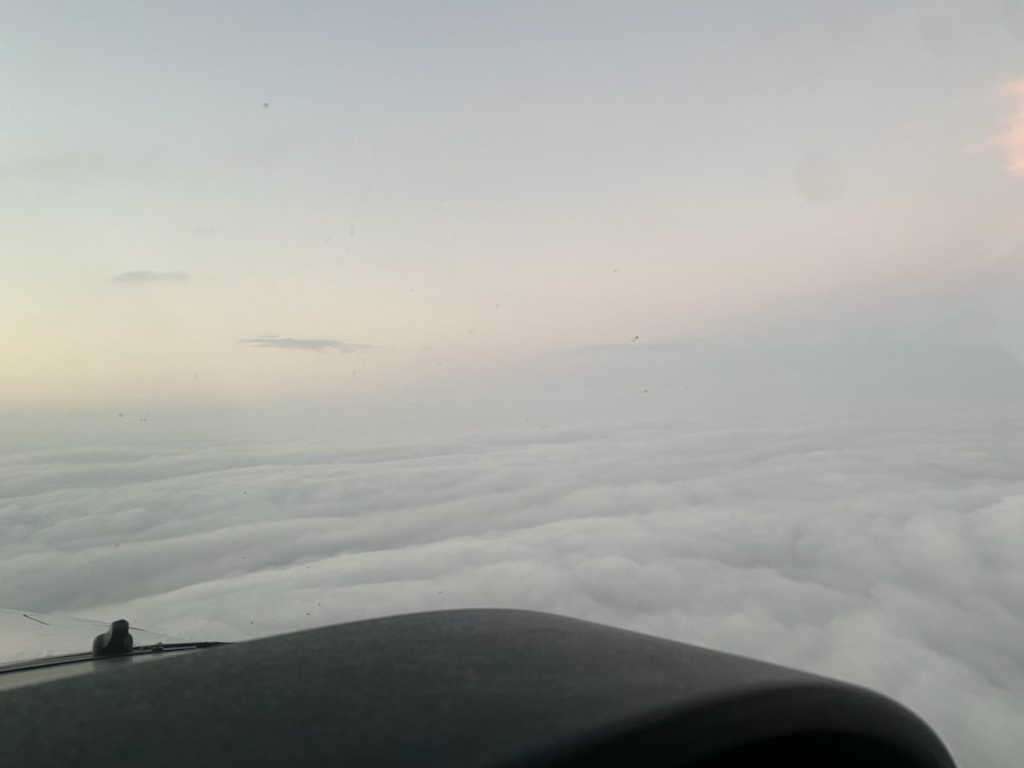
Flying is a dream for many. The thrill of soaring through the skies, the freedom of flight, and the beauty of the world from above are just a few reasons why people want to become pilots. However, achieving this dream requires more than just passion. It requires the right training, guidance, and support. Personalized flight lessons can help you reach your pilot goals effectively and efficiently.
In this blog post, we will explore how personalized flight lessons can transform your journey to becoming a pilot. We will discuss the benefits of tailored instruction, the importance of setting clear goals, and how to find the right flight school for your needs.
The Importance of Personalized Flight Lessons
Every aspiring pilot has unique goals, learning styles, and backgrounds. Personalized flight lessons cater to these individual differences. Here are some key reasons why personalized instruction is essential:
Tailored Learning Experience: Personalized lessons allow instructors to adapt their teaching methods to suit your learning style. Whether you are a visual learner or prefer hands-on experience, your instructor can adjust the lessons accordingly.
Focused Skill Development: With personalized lessons, you can focus on specific skills that you need to improve. If you struggle with navigation, for example, your instructor can dedicate more time to that area.
Flexible Scheduling: Personalized flight lessons often offer more flexible scheduling options. This means you can learn at your own pace and fit lessons into your busy life.
Building Confidence: Learning to fly can be intimidating. Personalized instruction helps build your confidence as you receive one-on-one support and encouragement from your instructor.
Setting Clear Goals
Before you start your flight training, it is crucial to set clear and achievable goals. Here are some steps to help you define your pilot goals:
Identify Your Motivation: Ask yourself why you want to become a pilot. Is it for leisure, career advancement, or a lifelong dream? Understanding your motivation will help you stay focused.
Set Specific Goals: Instead of vague goals like "I want to learn to fly," set specific targets. For example, "I want to obtain my private pilot license within six months."
Break Down Goals: Divide your main goal into smaller, manageable steps. This could include completing ground school, logging a certain number of flight hours, or mastering specific maneuvers.
Track Your Progress: Keep a log of your achievements. This will help you stay motivated and see how far you have come.
Adjust as Needed: Be open to adjusting your goals as you progress. If you find a particular area challenging, it is okay to modify your timeline or focus.
Finding the Right Flight School
Choosing the right flight school is a critical step in your journey. Here are some tips to help you find the best fit for your personalized flight lessons:
Research Options: Look for flight schools in your area. Check their websites, read reviews, and ask for recommendations from other pilots.
Visit Schools: If possible, visit the schools you are considering. This will give you a feel for the environment and the instructors.
Ask About Instructors: Inquire about the qualifications and experience of the instructors. A good instructor should have a solid background and a teaching style that matches your learning preferences.
Check Fleet Availability: Ensure the school has a variety of aircraft available for training. This will give you the opportunity to learn on different types of planes.
Evaluate Costs: Compare the costs of different schools. While price is important, consider the value of the training you will receive.
The Role of Technology in Flight Training
Technology has revolutionized flight training. Here are some ways technology enhances personalized flight lessons:
Flight Simulators: Flight simulators provide a safe environment to practice maneuvers and procedures. They allow you to experience different scenarios without the risks associated with real flight.
Online Ground School: Many flight schools offer online ground school courses. This flexibility allows you to learn at your own pace and review materials as needed.
Flight Tracking Apps: Use flight tracking apps to log your flight hours and track your progress. These tools can help you stay organized and motivated.
Video Analysis: Some instructors use video analysis to review your flight performance. This visual feedback can help you identify areas for improvement.
Building a Strong Instructor-Student Relationship
A strong relationship with your flight instructor is vital for your success. Here are some tips to foster a positive connection:
Communicate Openly: Share your goals, concerns, and preferences with your instructor. Open communication helps them tailor lessons to your needs.
Be Receptive to Feedback: Constructive criticism is essential for growth. Be open to feedback and use it to improve your skills.
Ask Questions: Never hesitate to ask questions. Your instructor is there to help you understand and learn.
Show Commitment: Demonstrating commitment to your training will encourage your instructor to invest more in your success.
Overcoming Challenges in Flight Training
Flight training can be challenging, and it is normal to face obstacles along the way. Here are some common challenges and how to overcome them:
Fear of Flying: If you experience anxiety, talk to your instructor. They can help you develop coping strategies and gradually build your confidence.
Time Management: Balancing flight training with work or school can be tough. Create a schedule that prioritizes your lessons and stick to it.
Financial Constraints: Flight training can be expensive. Look for scholarships, financing options, or part-time work to help cover costs.
Plateaus in Learning: It is common to hit a plateau in your training. If this happens, discuss it with your instructor. They can help you identify areas to focus on and reignite your progress.
The Joy of Achieving Your Pilot Goals
Reaching your pilot goals is an incredible achievement. The sense of accomplishment and the skills you gain will stay with you for a lifetime. Here are some ways to celebrate your success:
Share Your Journey: Share your experiences with friends and family. They will be excited to hear about your progress and achievements.
Join a Flying Community: Connect with other pilots and aviation enthusiasts. Joining a flying club or online community can provide support and camaraderie.
Continue Learning: The journey does not end with your first license. Consider pursuing additional ratings or certifications to expand your skills and knowledge.
Plan Your First Solo Flight: Nothing compares to the thrill of your first solo flight. Plan it carefully and enjoy the moment.
Embracing the Future of Flight
As you achieve your pilot goals, remember that the world of aviation is constantly evolving. Stay informed about new technologies, regulations, and opportunities in the field.
Stay Updated: Follow aviation news and trends. This will help you stay relevant and informed as a pilot.
Consider Advanced Training: As you gain experience, consider advanced training options. This could include instrument ratings, commercial licenses, or even flight instructor certifications.
Explore Career Opportunities: If you are interested in a career in aviation, research various paths. From commercial flying to aviation management, there are many options available.
Give Back: Consider mentoring new pilots or volunteering in aviation-related organizations. Sharing your knowledge and experience can inspire others to pursue their dreams.

Achieving your pilot goals is a journey filled with excitement, challenges, and personal growth. With personalized flight lessons, clear goals, and the right support, you can turn your dream of flying into a reality. Embrace the adventure, stay committed, and enjoy every moment of your flight training journey. The sky is not the limit; it is just the beginning.


Comments